Step 1: Gathering Site Data & Records
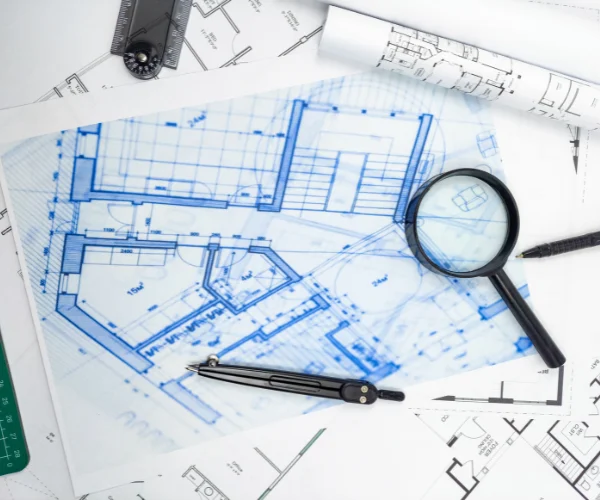
Collect CAD drawings, PDFs, point clouds, and field sketches.
Validate data accuracy against existing records.
Establish modeling scope and LOD requirements.
Typical Duration: 2–3 business days.
Step 2: Model Creation in Revit
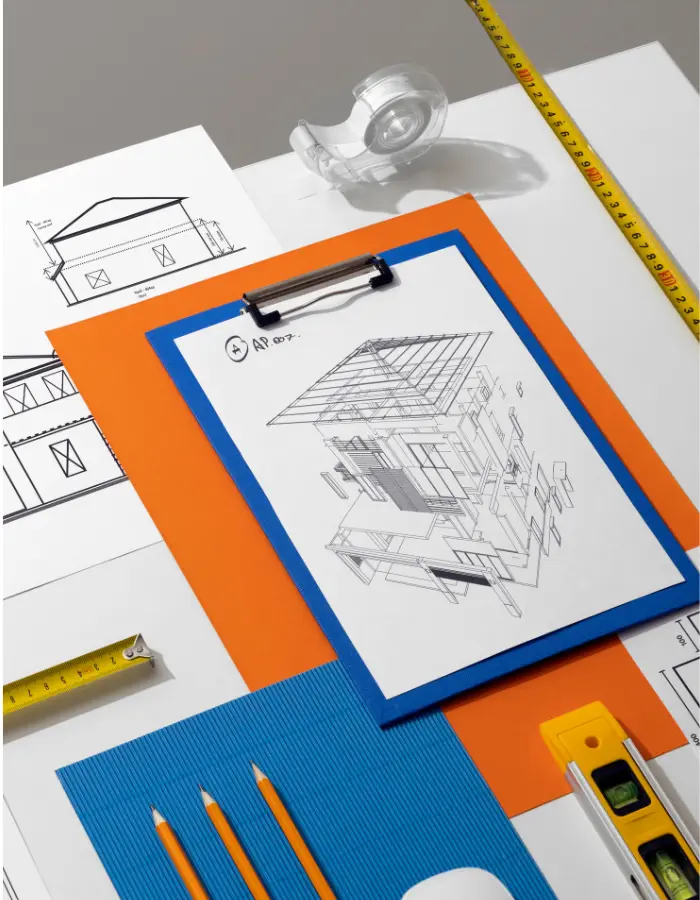
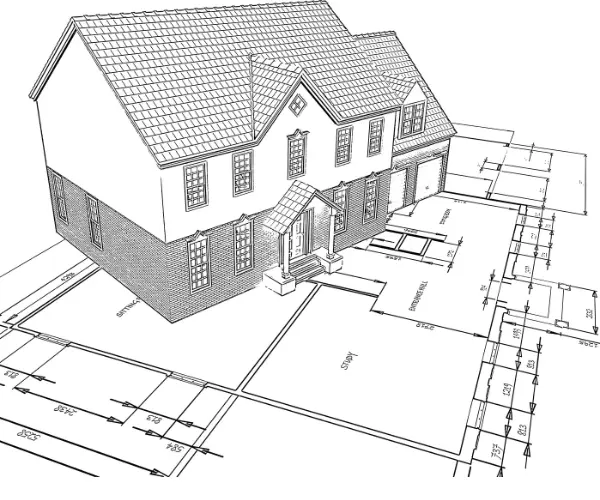
Develop 3D as-built BIM models in Autodesk Revit.
Integrate architectural, structural, and MEP systems.
Record deviations from original design intent.
Typical Duration: 4–6 business days.
Step 3: Internal Quality Validation
Run Clash Detection and Coordination checks using Navisworks.
Ensure dimensional accuracy and code compliance.
Conduct internal peer reviews before client submission.
Typical Duration: 2–3 business days.
Step 4: Client Feedback & Refinement
Share draft model for client review.
Incorporate feedback and apply revisions.
Align deliverables with client-specific standards.
Typical Duration: 2–4 business days.
Step 5: Final Delivery in Multiple Formats
Export final as-built models in RVT, IFC, NWC, or PDF.
Provide handover documentation and digital twin files.
Ensure data readiness for facility management platforms.
Typical Duration: 1–2 business days.


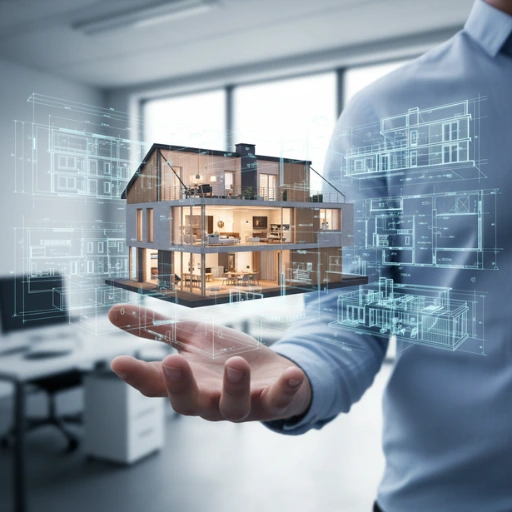
As-built BIM modeling services involve creating accurate digital models that represent actual site conditions after construction is completed. These models capture modifications, field changes, and installations, ensuring reliable documentation for operations and facility management.
They provide precise digital documentation that reduces risks in renovations, maintenance, and compliance. With accurate as-built BIM, facility managers can track assets, plan upgrades, and streamline regulatory approvals.
We use point clouds, laser scans, CAD drawings, and site surveys to develop as-built BIM models in Revit. These are then validated with Navisworks to ensure accuracy and compliance.
Industries such as healthcare, infrastructure, commercial real estate, manufacturing, and government facilities rely on as-built BIM for operations, audits, and asset management.
We provide models ranging from LOD 100 to LOD 500, depending on project requirements. This flexibility ensures accuracy for design validation, handover, and long-term facility management.
Yes. Our digital twins provide asset data for predictive maintenance, space optimization, and energy management. This makes facility operations more efficient and cost-effective.
We primarily use Autodesk Revit, Navisworks, and BIM 360 for modeling and coordination. For scan-to-BIM projects, we use Recap Pro, Leica Cyclone, and Faro Scene for data processing.
Accuracy depends on the quality of field data provided. With laser scanning and point cloud integration, we achieve up to millimeter-level precision for architectural, structural, and MEP elements.
Yes, we support clients across the USA, UK, UAE, Saudi Arabia, and Asia-Pacific. Our models are code-compliant with local regulations, ensuring smooth approvals and reliable handover.
Deliverables include 3D BIM models in RVT, IFC, and NWC formats, along with 2D PDFs/DWGs. We also provide compliance-ready documentation for facility management and regulatory approvals.