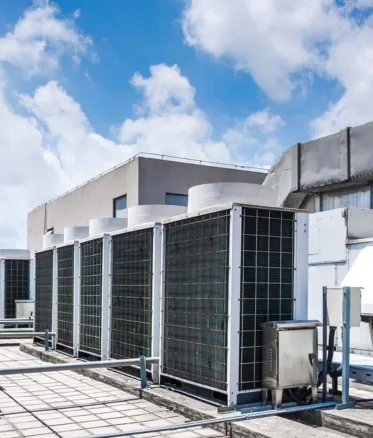
In modern construction, energy efficiency, sustainability, and cost savings are critical for commercial and industrial buildings. Heating, Ventilation, and Air Conditioning (HVAC) systems account for nearly 40% of a commercial building’s energy consumption. To maximize efficiency, mechanical drafting is essential in transforming HVAC concepts into high-performance, compliant, and optimized systems.
At Formative Concepts, we specialize in mechanical drafting for HVAC systems, ensuring designs meet ASHRAE standards, minimize energy waste, and enhance indoor air quality (IAQ). This article explores how precision mechanical drafting improves HVAC efficiency, reduces costs, and ensures sustainability.
The Role of Mechanical Drafting in HVAC Efficiency
Mechanical drafting is the backbone of effective HVAC system design, converting engineering concepts into detailed schematics, 3D models, and shop drawings. Here’s how it enhances efficiency:
1. Accurate Load Calculations and System Sizing
- Oversized or undersized HVAC systems result in energy waste, uneven temperatures, and higher costs.
- Mechanical drafting ensures precise load calculations based on building size, occupancy, climate, and thermal comfort (ASHRAE Standard 55).
- Proper sizing can reduce energy consumption by up to 30%.
2. Optimized Ductwork and Piping Design
- Poor ductwork design leads to airflow resistance, pressure drops, and energy loss.
- 3D modeling (AutoCAD, Revit MEP) helps create efficient duct layouts, avoiding clashes with electrical and plumbing systems.
- CFD (Computational Fluid Dynamics) simulations analyze airflow patterns, ensuring balanced ventilation.
3. Clash Detection and BIM Integration
- Building Information Modeling (BIM) enables real-time collaboration among architects, engineers, and contractors.
- Automated clash detection prevents costly on-site conflicts (e.g., ducts interfering with structural beams).
- BIM models store lifecycle data, aiding in predictive maintenance and future upgrades.
4. Compliance with ASHRAE and Energy Codes
- HVAC systems must comply with:
- ASHRAE 90.1 (energy efficiency)
- ASHRAE 62.1 (ventilation rates)
- Local building codes (fire safety, acoustics).
- Mechanical drafting integrates these standards into designs, ensuring code compliance.
5. Smart HVAC Technologies and Automation
- IoT-enabled HVAC systems use real-time sensors to adjust temperature and airflow based on occupancy.
- Automated zoning allows customized climate control, reducing energy waste.
- AI-driven predictive maintenance detects inefficiencies early, extending equipment lifespan.
Key Benefits of Professional HVAC Drafting Services
1. Energy Savings (Up to 30%)
- Optimized designs reduce energy waste, lowering utility bills.
- Variable Refrigerant Flow (VRF) systems and heat recovery ventilators (HRVs) improve efficiency.
2. Enhanced Indoor Air Quality (IAQ)
- Proper ventilation prevents stale air, pollutants, and allergens, improving health.
3. Reduced Construction Costs
- Early clash detection minimizes rework and change orders, saving time and money.
4. Future-Proofing for Sustainability
- Designs support renewable energy integration (solar, geothermal) and smart HVAC upgrades.
Best Practices for Efficient HVAC Drafting
- Early Stakeholder Involvement – Engage architects, engineers, and facility managers from the start.
- Layer Management in CAD – Separate ductwork, electrical, and plumbing layers for clarity.
- Iterative Reviews – Conduct frequent quality checks to align with project needs.
- Sustainability Integration – Prioritize energy recovery ventilators (ERVs) and low-emission refrigerants.
FAQ: Mechanical Drafting for HVAC Efficiency
Q1: How does mechanical drafting improve HVAC efficiency?
A: It ensures accurate load calculations, optimized ductwork, clash-free designs, and compliance with energy codes, reducing energy waste by up to 30%.
Q2: What software is used in HVAC drafting?
A: AutoCAD, Revit MEP, CFD simulations, and BIM tools are industry standards.
Q3: How does BIM help in HVAC design?
A: BIM enables real-time collaboration, clash detection, and lifecycle management, reducing errors and costs.
Q4: What ASHRAE standards apply to HVAC drafting?
A: ASHRAE 90.1 (energy efficiency), 62.1 (ventilation), and 55 (thermal comfort) are critical.
Q5: Can mechanical drafting reduce HVAC maintenance costs?
A: Yes, predictive maintenance models and optimized designs lower long-term repair expenses.
Conclusion
Mechanical drafting is essential for HVAC efficiency, ensuring systems are energy-efficient, code-compliant, and future-ready. At Formative Concepts, our MEP drafting expertise helps buildings achieve peak HVAC performance while minimizing costs and environmental impact.
By leveraging BIM, 3D modeling, and smart HVAC technologies, we deliver precision-engineered solutions that align with sustainability goals.
Ready to optimize your HVAC system? Contact Formative Concepts today for expert mechanical drafting services.