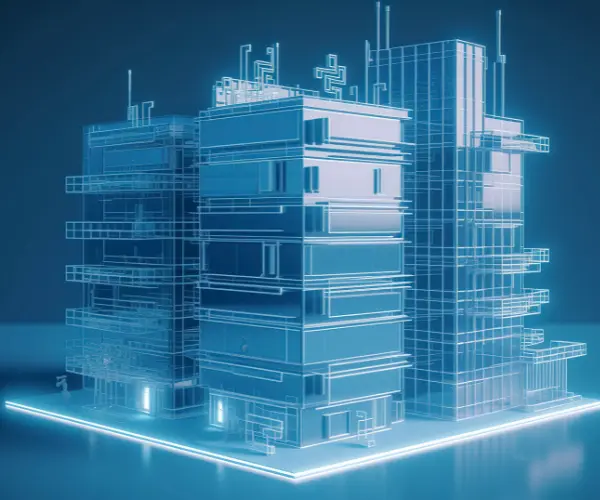
Step 1: Requirement Gathering and Input Analysis
Typical Duration: 2–3 business days
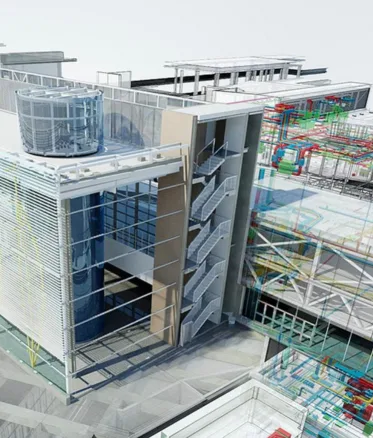
Step 2: Intelligent BIM Model Development and Construction
Typical Duration: 4–6 business days
Step 3: Quality Assurance and Conflict Detection
Typical Duration: 3–4 business days
Step 4: Client Review and Revision Integration
Typical Duration: 2–3 business days
Step 5: Final Delivery and Comprehensive Handover
Typical Duration: 2–3 business days


BIM modeling, or Building Information Modeling, is the process of creating data-rich 3D models that integrate architecture, structure, and MEP systems. It improves design coordination, reduces errors, and ensures projects are construction-ready.
Architects benefit from BIM building information modeling by visualizing designs in 3D, extracting detailed drawings, and reducing rework. It also allows faster client approvals and easier design iterations.
LOD (Level of Development) defines how detailed and accurate a model is. From LOD 100 (concept) to LOD 500 (as-built), it ensures models are suitable for different project phases.
Yes. BIM models generate accurate quantity takeoffs and material lists, enabling reliable cost estimates, reducing waste, and supporting budget control throughout the construction phase.
Common tools include Autodesk Revit, Tekla, ArchiCAD, and Navisworks. These platforms support model creation, coordination, clash detection, and collaboration across stakeholders.
Absolutely. Our BIM modeling covers HVAC design, electrical system layouts, and plumbing and drainage design, ensuring all services are coordinated and clash-free.
BIM models act as a single source of truth accessible to all stakeholders. Using cloud platforms like BIM 360, teams can review, comment, and update models in real time.
Yes, we provide outputs in RVT, IFC, NWC, DWG, and PDF formats, ensuring compatibility with client workflows and other software platforms.
Yes, we adhere to global standards like ISO 19650, ensuring compliance, interoperability, and consistency in all BIM modeling deliverables.
BIM modeling services are widely used in healthcare, infrastructure, residential, commercial, and industrial projects. They improve design efficiency, reduce risks, and support lifecycle facility management.